
On this page
When you start exploring the world of bitcoin and cryptocurrencies, one of the first questions that comes up is: how can I keep my investment safe? In an industry where mistakes can cost you real money, understanding how to protect your digital assets is essential. Whether you’re stacking bitcoin, DOC, or tokens on any blockchain, knowing what a hardware wallet is and how it works can be the difference between peace of mind and being exposed to unnecessary risk.
What is a hardware wallet?
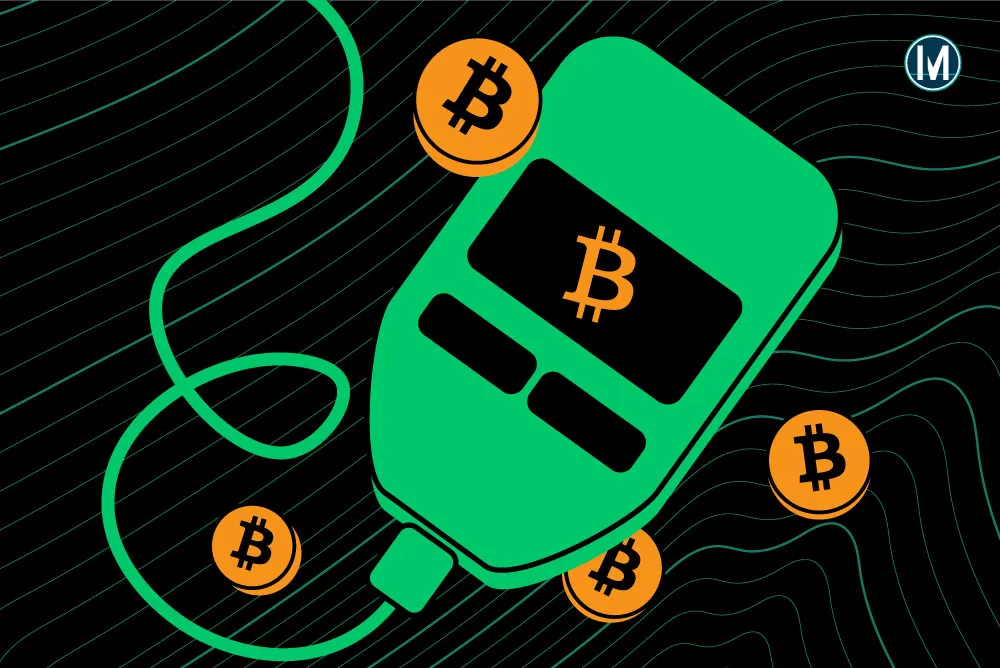
A hardware wallet is a physical device designed specifically to store the private keys that grant access to your cryptocurrencies. Unlike software wallets (hot wallets), which are connected to the internet, hardware wallets operate without a permanent connection, making them a form of cold storage (cold storage).
These wallets don’t store the cryptocurrencies themselves, but rather the keys that allow you to sign transactions and prove ownership of the funds. By keeping those keys out of reach from the internet, you drastically reduce the risk of theft by hackers or malware.
Why use a hardware wallet?
For anyone planning to hold bitcoin, stablecoins, and other cryptocurrencies long term, or who is accumulating a significant amount, using a hardware wallet is highly recommended. While “significant” is relative for each person, in general, if the amount of crypto you hold worries you enough to want to protect it, then a hardware wallet is likely your best option.
The main advantage of these wallets is their security level. The private keys never leave the device, not even when signing a transaction. On top of that, they are protected by a PIN, recovery phrases, and in many models additional security components such as certified chips or two-factor authentication.
Key features of a hardware wallet
Before choosing a hardware wallet, it’s important to learn how to use it and understand its features. Some points to consider include:
- Open source vs. closed source: Open-source wallets allow for public audits, which adds a layer of trust in how they work and how secure they are.
- Token support: Make sure the wallet supports the cryptocurrencies you want to store (Bitcoin, Ethereum, ERC-20 tokens, stablecoins, etc.).
- User interface: Some wallets come with touchscreens or app integrations that make them easier to use, which is especially important if you’re a beginner.
- Seed phrase backup: You will always be given a 12- or 24-word recovery phrase. This should be stored in a safe place, preferably offline.
You might also like: Money On Chain in Hot Wallets
Advantages over other wallets
Compared to hot wallets (internet-connected apps such as Metamask, Trust Wallet, or exchange wallets), hardware wallets offer:
- Greater protection against online attacks.
- Full user control over private keys.
- Independence from centralized platforms (like exchanges that can be hacked or freeze funds).
These advantages become more obvious as users start to understand the real value of self-custody.
When should you consider using one?
If you’re just taking your first steps in crypto, a hot wallet may be enough for small amounts or experimentation. But once you start building up a crypto balance that you plan to hold for the long term, the most sensible move is to migrate to a hardware wallet.
The final decision will depend on your personal needs and how much you value security. The important thing is to weigh the pros and cons and the features of each model to choose the one that best fits you.
What are the most commonly used hardware wallets today?
As interest in crypto security grows, several manufacturers have emerged as market leaders. Here are some of the most popular hardware wallets currently in use:
- Trezor Model One and Model T: Developed by SatoshiLabs, pioneers in the hardware wallet space. The Model T features a touchscreen and improved ease of use. Both models are open source.
- Ledger Nano S Plus and Ledger Nano X: Compatible with more than 5,000 crypto assets.
- Coldcard Wallet: Specializing in Bitcoin, it’s one of the favorites among advanced users. Its focus is on extreme security, with support for fully offline operations.
- BitBox02: Swiss-made, this wallet is compact, easy to use, and supports Bitcoin and other cryptocurrencies. It is also open source.
The choice will depend on your specific needs, budget, and level of experience. Ideally, you should carefully research each model and go with well-known brands that have a solid reputation.
Protect your crypto investment from day one
Hardware wallets are one of the safest ways to protect your cryptocurrencies. While learning to use them can take a bit of time, adopting one is a sign of financial maturity in the crypto world. Choosing an open-source wallet that gives you confidence and full control can make a big difference in how well your digital assets are protected over the long term.
Buying a hardware wallet is not an expense; it’s an investment in peace of mind. And if you’re serious about bitcoin, Dollar On Chain, and cryptocurrencies in general, this is a step you’re going to want to take sooner or later.